Our group's research is based on advanced microstructural characterization using scanning electron microscopy (SEM), transmission electron microscopy (TEM), and three-dimensional atom probe (3DAP). We aim to understand the mechanisms underlying material properties, develop high-performance materials, and further advance microstructural analysis techniques.
Here, we introduce our research methods, major research projects, and key facilities.
3D microstructural analysis using FIB/SEM
FIB-SEM serial sectioning is a 3D characterization technique in which cross-sectioning by a focused ion beam (FIB) and SEM imaging are performed sequentially to reconstruct the 3D microstructure of a material. With a spatial resolution of several nanometers over volumes tens of micrometers in size, this technique enables direct analysis of not only the spatial distribution of grains and precipitates, but also the three-dimensional morphology and connectivity of features such as cracks and inclusions, which can be difficult to interpret unambiguously from conventional two-dimensional cross-sectional images.
Our group develops both instrumentation and analytical methodologies for FIB-SEM serial sectioning and applies them to a wide range of materials, including structural materials such as metals and ceramics, as well as glasses, polymers, and biological specimens.
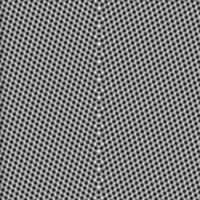
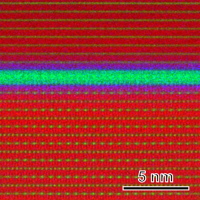
Most engineering materials are polycrystalline and/or multiphase, containing grain boundaries and heterophase interfaces. The atomic structures of these interfaces vary depending on their crystallographic relationships and play a critical role in determining material properties.
Our group employs advanced electron microscopy to characterize interfacial structures across multiple length scales. We also develop and apply electron microscopy–based techniques to quantitatively evaluate the static and dynamic properties of individual interfaces, providing new insights into the relationship between interfacial structure and material performance.
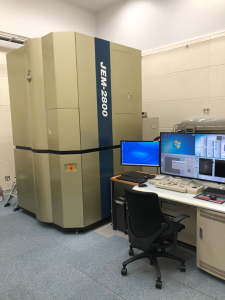
JEM-2800
(Common User facility)
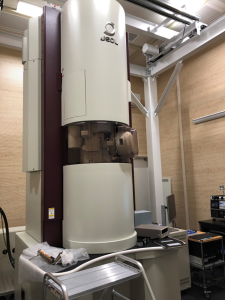
JEM-ARM300F
(Common User facility)
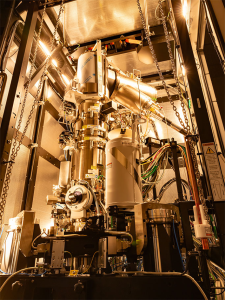
Thermo Fisher Scientific Spectra Ultra S/TEM
(Common User Facility)
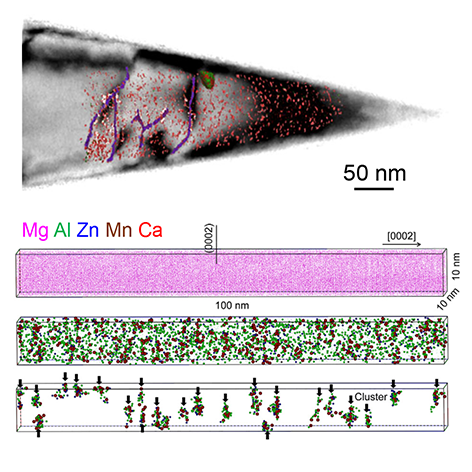
Nanoscale to atomic-Scale microstructural characterization using 3DAP
3DAP reconstructs the three-dimensional distribution of elements in metallic materials with sub-nanometer spatial resolution. It enables quantitative characterization of nanoscale features, such as precipitates and atomic clusters that are difficult to analyze by TEM alone, as well as the distribution of all elements, including light elements, within extremely small volumes.
By combining 3DAP with structural characterization by transmission electron microscopy (TEM), our group reveals the nanoscale microstructures of metallic materials in unprecedented detail and elucidates the microstructural origins of application-relevant properties.
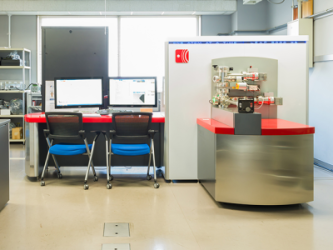
LEAP5000XS (AMETEK)
(Common User Facility)
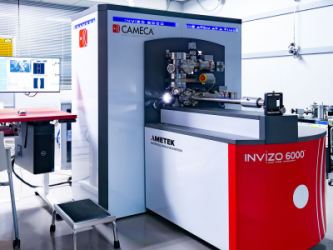
Invizo6000 (AMETEK)
(Common User Facility)
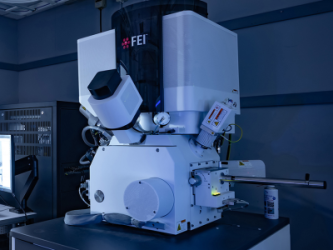
HeliosG4UX (Thermo Fisher Scientific)
(Common User facility)
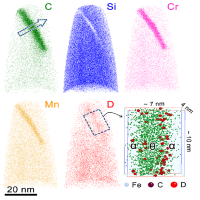
Mapping trace hydrogen distributions using 3DAP
3DAP identifies ion species by time-of-flight mass spectrometry, enabling the analysis of all elements, including hydrogen. However, detecting trace amounts of hydrogen at the ppm level responsible for hydrogen embrittlement remains a major challenge. Our group addresses this issue by introducing deuterium, a stable isotope of hydrogen, into specimens, allowing us to distinguish hydrogen originating from the material from residual hydrogen in the analysis chamber. Using this approach, we investigate hydrogen trapping sites in high-strength materials and provide insights for the development of hydrogen-embrittlement-resistant alloys.
Light alloys
Lightweight metals such as aluminum and magnesium alloys play a key role in improving fuel efficiency, extending driving range, and reducing energy consumption by significantly decreasing the weight of transportation systems. For wrought products such as extrusions and rolled sheets, achieving an optimal balance between high strength and excellent formability is essential.
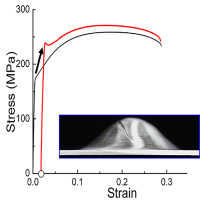
Our group pioneered the development of a paint-bake hardenable magnesium alloy that exhibits room-temperature formability comparable to aluminum alloys after solution treatment, followed by a significant increase in strength through a short aging treatment. We are also developing next-generation aluminum alloys with enhanced tolerance to impurities, contributing to more sustainable and resource-efficient materials.
Additively manufactured materials
Metal additive manufacturing, particularly laser powder bed fusion (LPBF), exploits rapid solidification and complex thermal histories to produce unique microstructures that cannot be achieved by conventional casting or thermomechanical processing, leading to exceptional material properties. Our group uses SEM, TEM, and 3DAP to reveal the formation mechanisms of these unique microstructures and to establish their relationships with material properties.
Permanent magnets
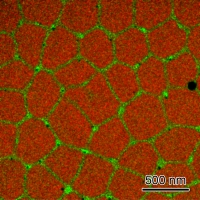
Nd–Fe–B magnets are the strongest permanent magnets available today and are widely used in traction motors for electric vehicles. Although high coercivity is currently achieved by adding heavy rare-earth elements such as dysprosium (Dy), reducing or eliminating their use has become a key challenge for the development of next-generation permanent magnets.
Our group investigates the microstructure and microstructure evolution of Nd–Fe–B magnets using advanced characterization techniques. By understanding the relationship between microstructure and magnetic properties, we aim to establish microstructural design strategies for achieving high coercivity without relying on heavy rare-earth elements.