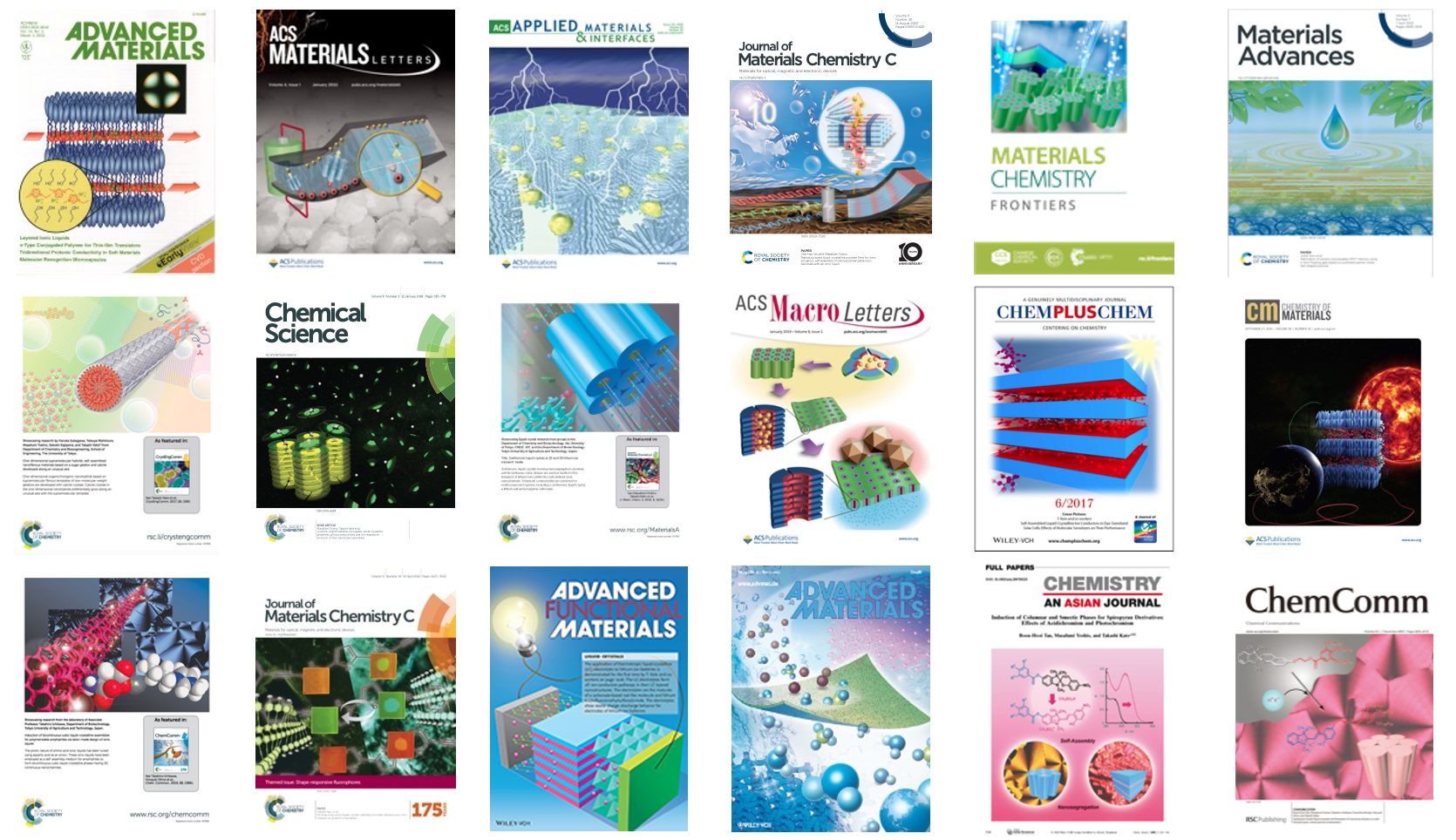
-Overview-
Our research group focuses on supramolecular and polymeric materials, working on molecular design, self-organization, and functionalization.
By precisely controlling molecular assembly structures at the nanoscale, we aim to control the transport of ions and electrons, as well as develop functional materials that convert electrical, light, and thermal energies into mechanical energy.
Our ultimate goal is to establish new concepts in molecular mechatronics and create functional materials that enable applications in soft robotics and haptic sensing.
-Liquid Crystal Ion Conductors-
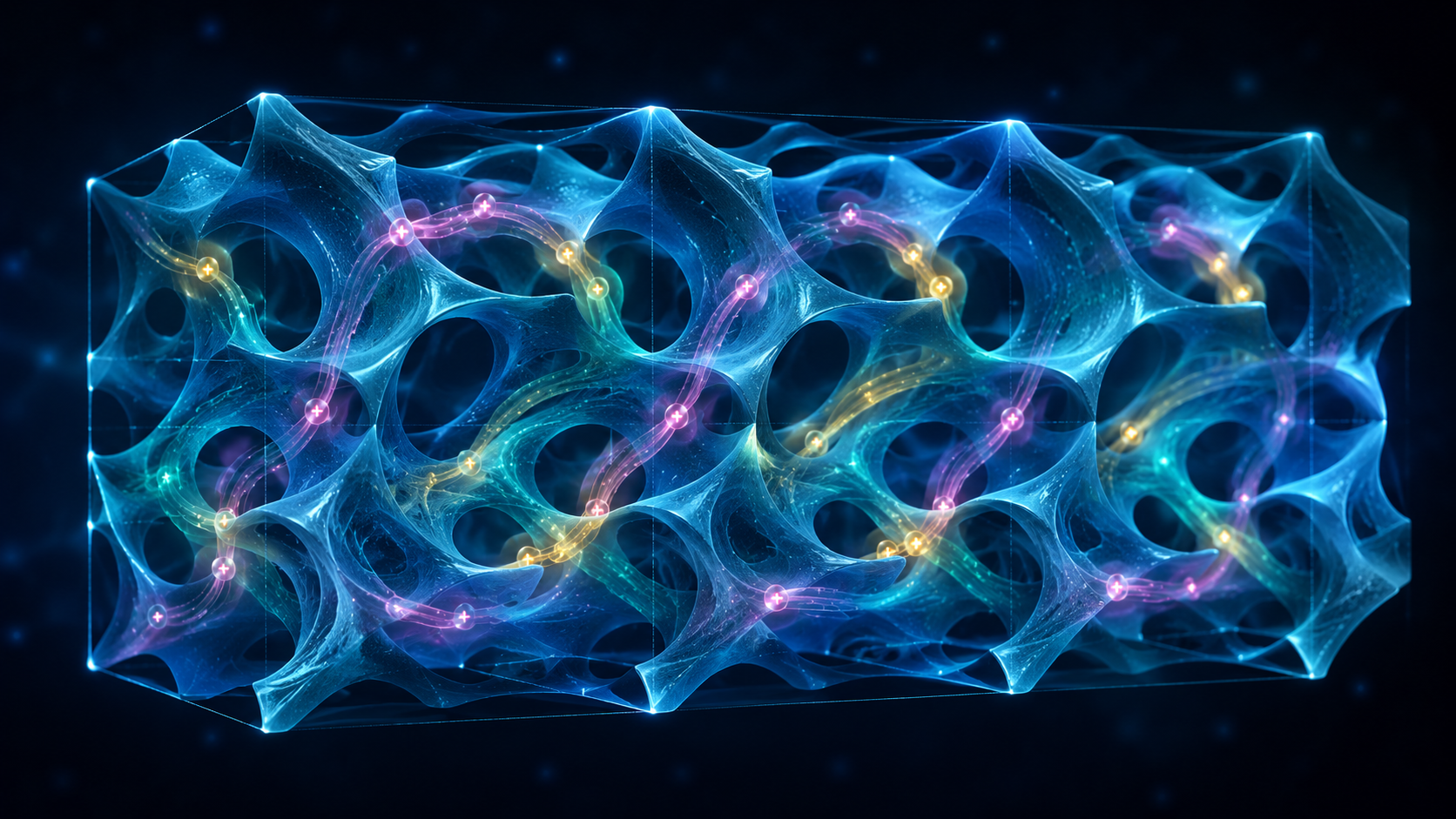
The development of flexible organic polymer membrane materials with high ionic conductivity is an important challenge for improving the
performance of soft actuators, fuel cells, lithium-ion batteries, water-treatment membranes, and other advanced technologies.
We are investigating the construction of rapid ion-transport pathways by exploiting the unique properties of liquid crystals, in which molecules
spontaneously form ordered structures and respond to external stimuli such as surface treatment, electric fields, and light. This approach enables the
construction of one- and two-dimensional anisotropic ion-conduction pathways that are difficult to achieve with conventional materials, as well as ON/OFF
switching of ionic conductivity through liquid crystal–liquid crystal phase transitions and directional switching of ion transport through changes in
liquid-crystal alignment. In particular, for gyroid liquid crystals with three-dimensionally interconnected nanochannels, we aim to develop materials
that enable rapid three-dimensional ion transport by utilizing continuous three-dimensional networks formed through molecular self-assembly.
Furthermore, photopolymerization in liquid-crystal media enables the fabrication of flexible and mechanically stable crosslinked polymer films in which
the liquid-crystal nanostructures and molecular alignment are permanently fixed. In particular, we focus on dimensional control of ion-conduction pathways
through the self-assembly of amphiphilic molecules, such as ionic liquid crystals, with ionic liquids, as well as through complex formation between phosphate
esters and lithium salts. Based on these approaches, we are developing not only one- and two-dimensional anisotropic ion-conducting materials but also
ion-conducting materials based on three-dimensional gyroid liquid crystals. Building on these materials, we are pursuing the development of ion-conducting
actuators capable of high-speed response and high output, as well as water-treatment membranes containing continuously interconnected nanopores with
well-defined pore sizes.
-Soft Actuators & Haptic Devices-
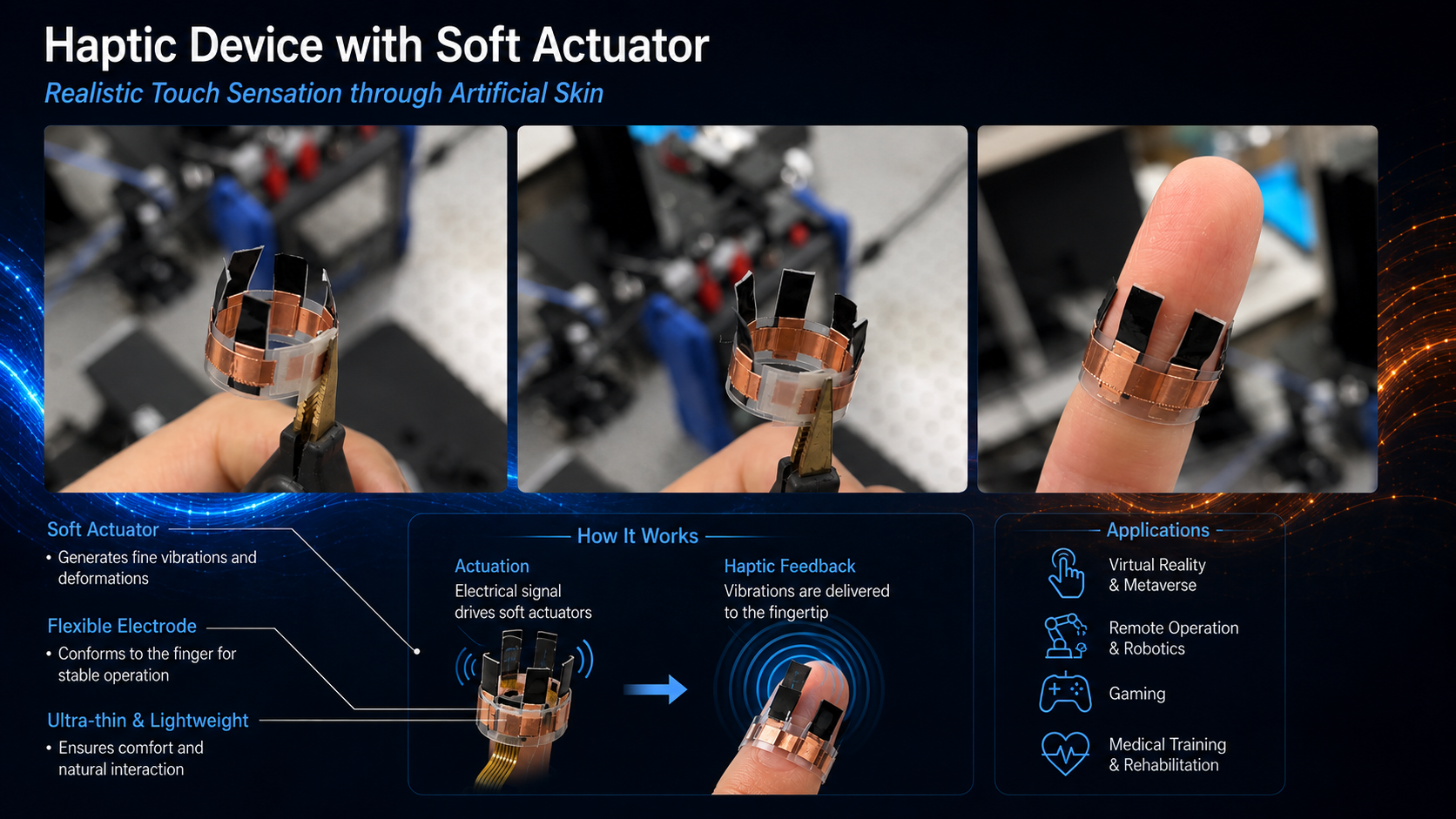
- Liquid Crystal/Polymer Composite Electrolyte Membranes
- Photocured Liquid Crystal Polymer Electrolyte Membranes
- Liquid Crystal Electrolyte Infiltated Porous Polymer Membranes
- Flexible Conductive Polymer Electrodes
The development of flexible organic polymer membrane materials with high ionic conductivity is an important challenge for improving the
performance of soft actuators, fuel cells, lithium-ion batteries, water-treatment membranes, and other advanced technologies. We are investigating the
construction of rapid ion-transport pathways by exploiting the unique properties of liquid crystals, in which molecules spontaneously form ordered structures
and respond to external stimuli such as surface treatment, electric fields, and light. This approach enables the construction of one- and two-dimensional
anisotropic ion-conduction pathways that are difficult to achieve with conventional materials, as well as ON/OFF switching of ionic conductivity through
liquid crystal–liquid crystal phase transitions and directional switching of ion transport through changes in liquid-crystal alignment. In particular,
for gyroid liquid crystals with three-dimensionally interconnected nanochannels, we aim to develop materials that enable rapid three-dimensional ion transport
by utilizing continuous three-dimensional networks formed through molecular self-assembly.
Furthermore, in-situ photopolymerization of ion-conductive liquid crystals enables the fabrication of flexible and mechanically stable crosslinked polymer films in which the liquid-crystal nanostructures and molecular alignment are permanently fixed. In particular, we focus on dimensional control of ion-conduction pathways through the self-assembly of amphiphilic molecules, such as ionic liquid crystals, with ionic liquids, as well as through complex formation between phosphate esters and lithium salts. Based on these approaches, we are developing not only one- and two-dimensional anisotropic ion-conducting materials but also ion-conducting materials based on three-dimensional gyroid liquid crystals. Building on these materials, we are pursuing the development of ion-conducting actuators capable of high-speed response and high output, as well as water-treatment membranes containing continuously interconnected nanopores with well-defined pore sizes.
-π-Conjugated Ferroelectric Semiconductors-
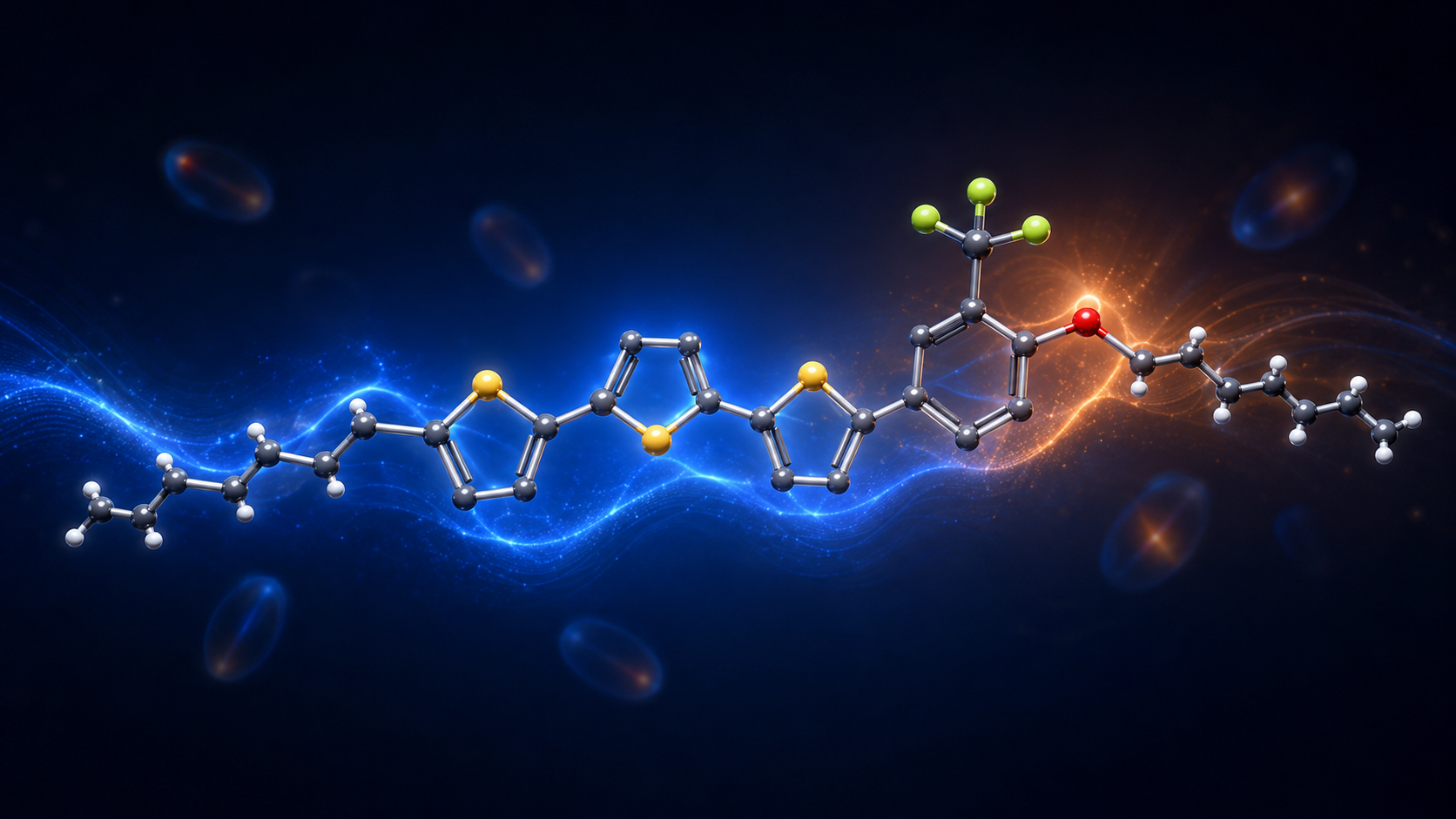
- Development of Chiral Smectic C Liquid Crystals (Smectic C Liquid Crystal + Chiral Dopants)-Based Ferroelectics
- Development of Columnar Liquid Crystal Ferroelectrics Utilizing Oxadiazole Permanent Dipoles
- Development of Organic-Inorganic Hybrid Perovskite Ferroelectrics
Organic ferroelectric materials with remanent polarization that can be reversibly switched by an electric field have
been applied to sensors, memory devices, optical devices, and other applications. Ferroelectric materials can be formed through various
mechanisms, including hydrogen-bond formation, charge-transfer interactions, permanent dipole formation, and molecular chirality.
Among these materials, ferroelectric π-conjugated liquid crystals, which can form dynamically ordered structures over large areas, are
particularly attractive as next-generation optoelectronic materials. The combination of ferroelectricity and electronic charge-carrier transport
properties has the potential to bring significant innovations to organic electronics. Ferroelectric liquid crystals based on π-conjugated molecules
have been reported to exhibit unique functionalities, including photorefractive effects and polarization-reversible rectification,
as well as bulk photovoltaic effects.
We have previously reported chiral photovoltaic (CPV) effects in smectic liquid crystals. The CPV effect can be classified as a new type of ferroelectric
photovoltaic (FePV) effect. While FePV effects in inorganic ferroelectric ceramics such as BiFeO₃ have been extensively studied for several decades,
FePV effects in organic materials have remained largely unexplored. To address this challenge, we developed ferroelectric chiral smectic C* (SmC*)
liquid-crystal materials based on π-conjugated oligothiophenes, with the aim of creating new CPV materials without the need for conventional p–n or
Schottky junctions. By introducing chiral alkyl chains into the oligothiophene liquid crystals, we successfully induced the formation of polar structures
through the breaking of centrosymmetry. Subsequently, the introduction of trifluoromethyl groups laterally into the π-conjugated systems induced electric
polarization perpendicular to the molecular long axis. This molecular design resulted in the formation of SmC* phases in which the molecules were tilted
with respect to the layer normal.
We constructed charge-carrier transport pathways within the SmC* phase using binary mixtures of achiral host liquid crystals and chiral dopants, enabling facile tuning of the CPV effect and the liquid-crystal temperature range. Currently, we are pursuing the development of columnar liquid-crystalline ferroelectrics that exploit the permanent dipoles of oxadiazole units, as well as organic–inorganic hybrid perovskite ferroelectric thin films, with the aim of creating novel photostrictive actuators based on ferroelectric semiconductors.
-Stimuli-Responsive Color-Changing Materials-
- Design of Mechanochromic Luminescent Materials
- Hybrid Design of π-Conjugated Biomolecules (Nucleic Acid Bases) and Artificial π-Conjugated Molecules
- Design of Electric-Optical Redox-Active Molecular Machines
Dynamic control over the stacking structures and molecular arrangements of π-conjugated molecules is expected to enable the development of
innovative organic material systems in which external stimuli are directly coupled with the optical and electrical properties of the materials.
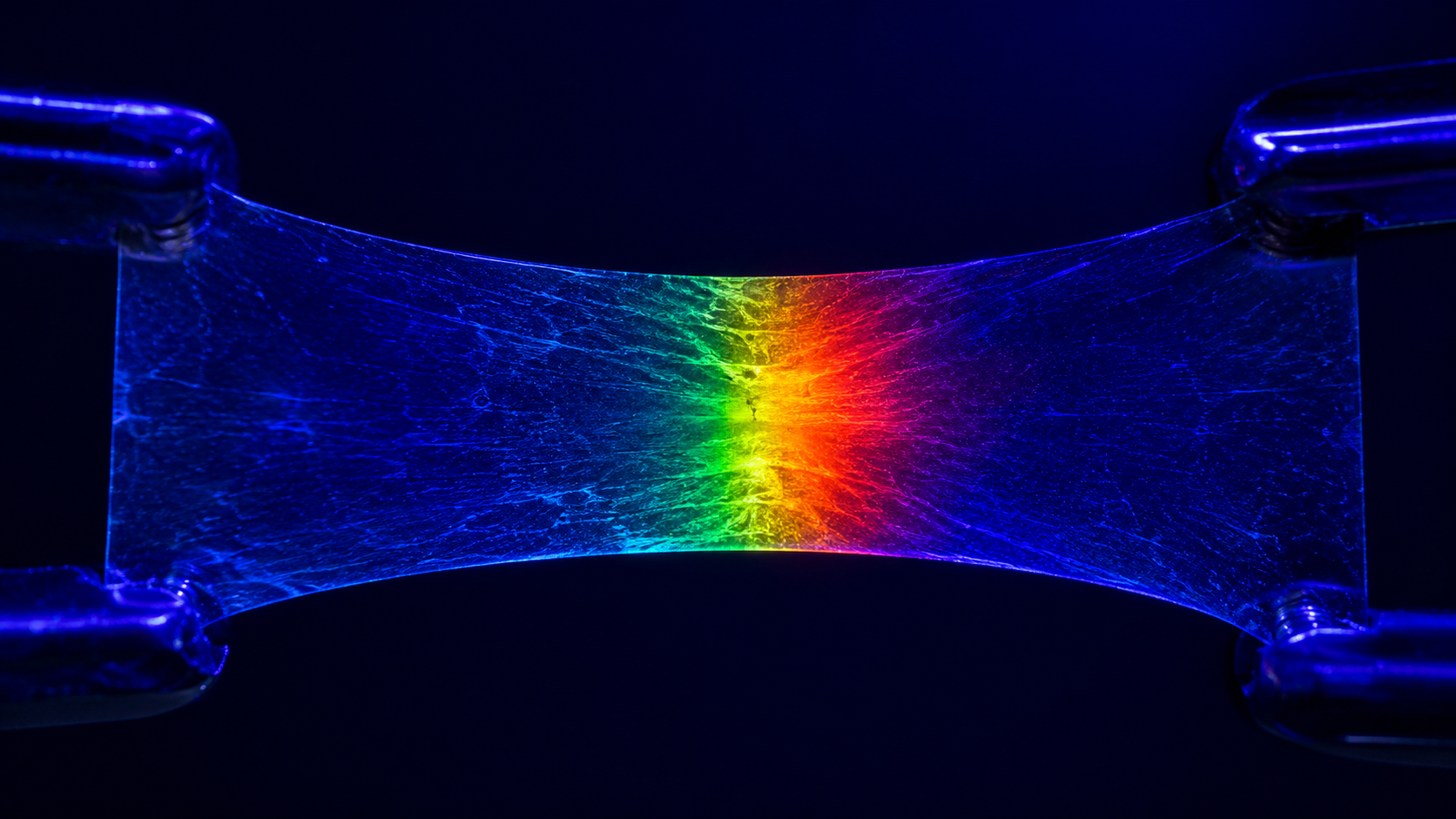
We are developing π-conjugated materials that form multiple metastable stacking structures and exhibit multicolor emission in response to mechanical, thermal, and ionic stimuli. In particular, we are synthesizing liquid-crystalline molecules with luminescent π-conjugated structures and photopolymerized crosslinked polymer films incorporating photo-crosslinkable groups. In addition, we are developing foldable polymers based on click reactions and star-shaped polymers featuring metal-coordinated phthalocyanines as cores, synthesized using living polymerization techniques.
-Stimuli-Responsive Porous Materials-
- Design of Hydrogen-Bonded Supramolecular Liquid Crystals for Regular Nanopore Construction
- Creation of Covalently Bonded Organic Frameworks (COF) with Ionic Conductivity
- Design of Flexible Metal-Organic Frameworks (MOF) Based on Catenane Ligands
Porous polymeric separation membranes are being considered for practical applications in a wide range of fields, including the separation and
purification of gases and other substances, desalination and water treatment, and the protection and containment of hazardous substances such as viruses and toxic gases.
Compared with inorganic materials such as zeolites, polymer membranes offer excellent film-forming and processing properties, and their separation performance can be
readily tuned through the diversity of elemental compositions, chemical bonds, and intermolecular interactions. Based on pore size, polymeric separation membranes
are classified into reverse osmosis membranes (<1 nm), nanofiltration membranes (1–2 nm), ultrafiltration membranes (2–10 nm),
and microfiltration membranes (10 nm to several μm). For example, aromatic polyamide membranes fabricated by interfacial polycondensation
between acid chlorides and amines on a supporting membrane have been commercialized as reverse osmosis membranes.
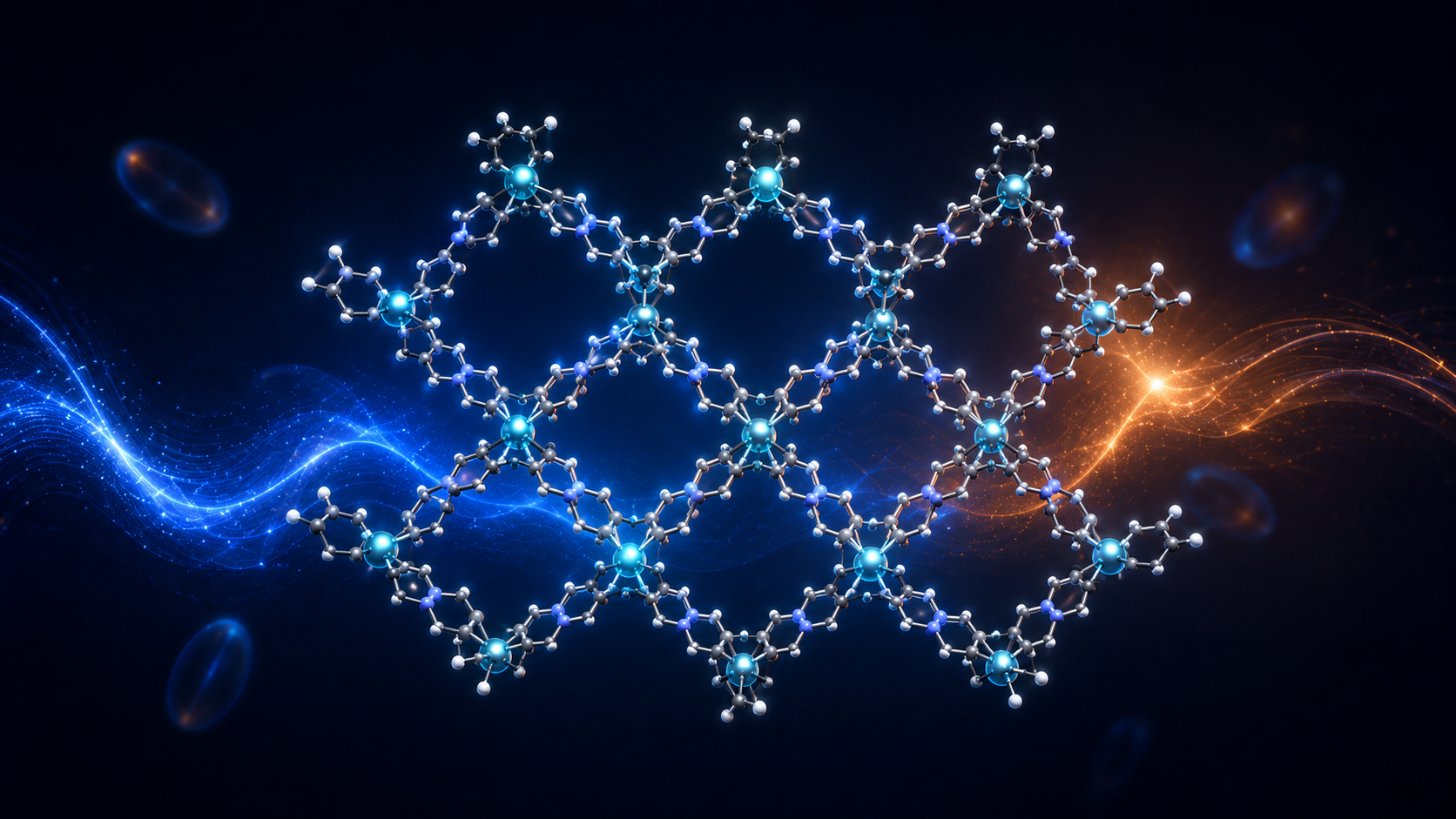
To develop higher-performance membrane materials, it is essential to construct continuous nanopores that uniformly penetrate the membrane and have well-defined pore sizes. As a novel approach to addressing this challenge, the use of the self-assembly of liquid-crystal molecules has attracted considerable attention worldwide. We designed hydrogen-bonded supramolecular assemblies composed of photopolymerizable columnar liquid-crystal molecules bearing diol groups and ionic liquids. By photopolymerizing these assemblies and subsequently removing the ionic liquid by washing, we successfully developed polymer films containing regularly arranged one-dimensional nanopores and demonstrated the removal of viruses and dyes. Currently, in addition to triazine-based covalent organic framework (COF) thin films with ionic conductivity, we are also developing flexible metal–organic framework (MOF) crystals based on catenane ligands with interlocked molecular structures.
- Thin-Film Transistor Memory Devices -
- Non-volatile Memory Functionality in Organic Transistors
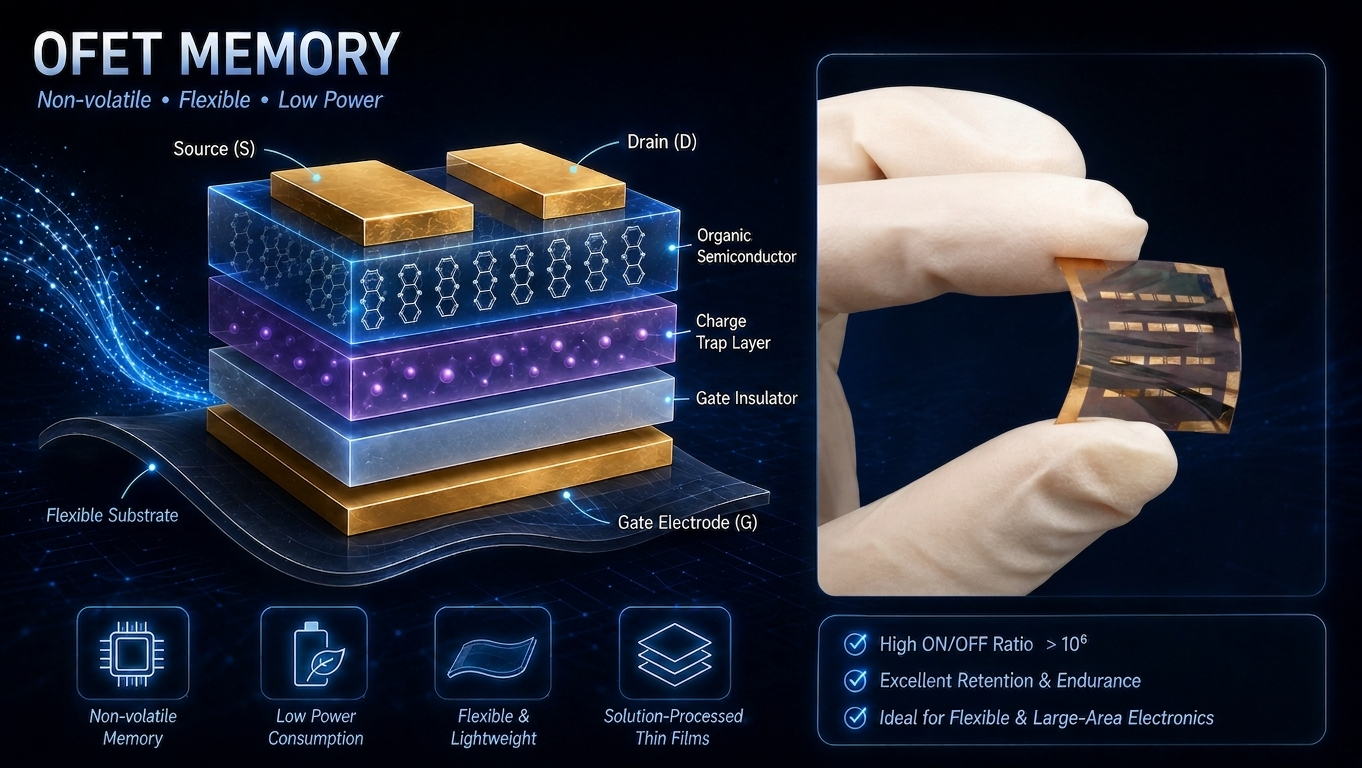
OFET memories, which incorporate memory functionality into organic field-effect transistors (OFETs), are expected to find applications in a wide range of technologies, including large-area displays capable of image storage and security systems.
To date, metal nanoparticles dispersed in an insulating thin film have been proposed as nanofloating-gate materials. Because memory performance is strongly influenced by the structure of the nanofloating gate, various approaches have been investigated to prevent nanoparticle aggregation in blended films and to control their size and spatial distribution through optimization of film-processing conditions, thermal annealing, and template-based methods. However, these approaches make it difficult to achieve high-density and highly integrated structures, thereby limiting further improvements in memory performance.
To overcome these limitations, we developed a single-polymer-based nanofloating-gate material [Japanese Patent No. 06362136; Adv. Electron. Mater. 2, 1500300 (2016)].Star-shaped polymers with metal phthalocyanine (MPc) molecules as the core form a structure in which the MPc cores, which serve as charge-storage sites, are individually dispersed within the polymer matrix simply by spin-coating. Furthermore, the density of the MPc cores can be precisely controlled by tailoring the arm length of the polymer through controlled polymer synthesis, enabling the fabrication of nanofloating-gate materials with high charge-storage-site density and facilitating device miniaturization and high-density integration.
- Chemical AI: Pioneering a New Generation of Materials That Think and Act -
- Structural Color-Displaying Ion-Conductive Polymer Gels
Technologies related to “Physical AI,” including artificial intelligence (AI) and humanoid robots, are evolving at an unprecedented pace. In the near future, it may no longer be far-fetched to imagine highly sophisticated robots working alongside us—so advanced that we can hardly distinguish them from humans.
Yet, most of the key components of today’s robots are made from artificial materials such as metals and silicone rubber. These materials themselves cannot sense their surroundings, make decisions, or autonomously change their properties, such as shape and stiffness, in response to the environment.
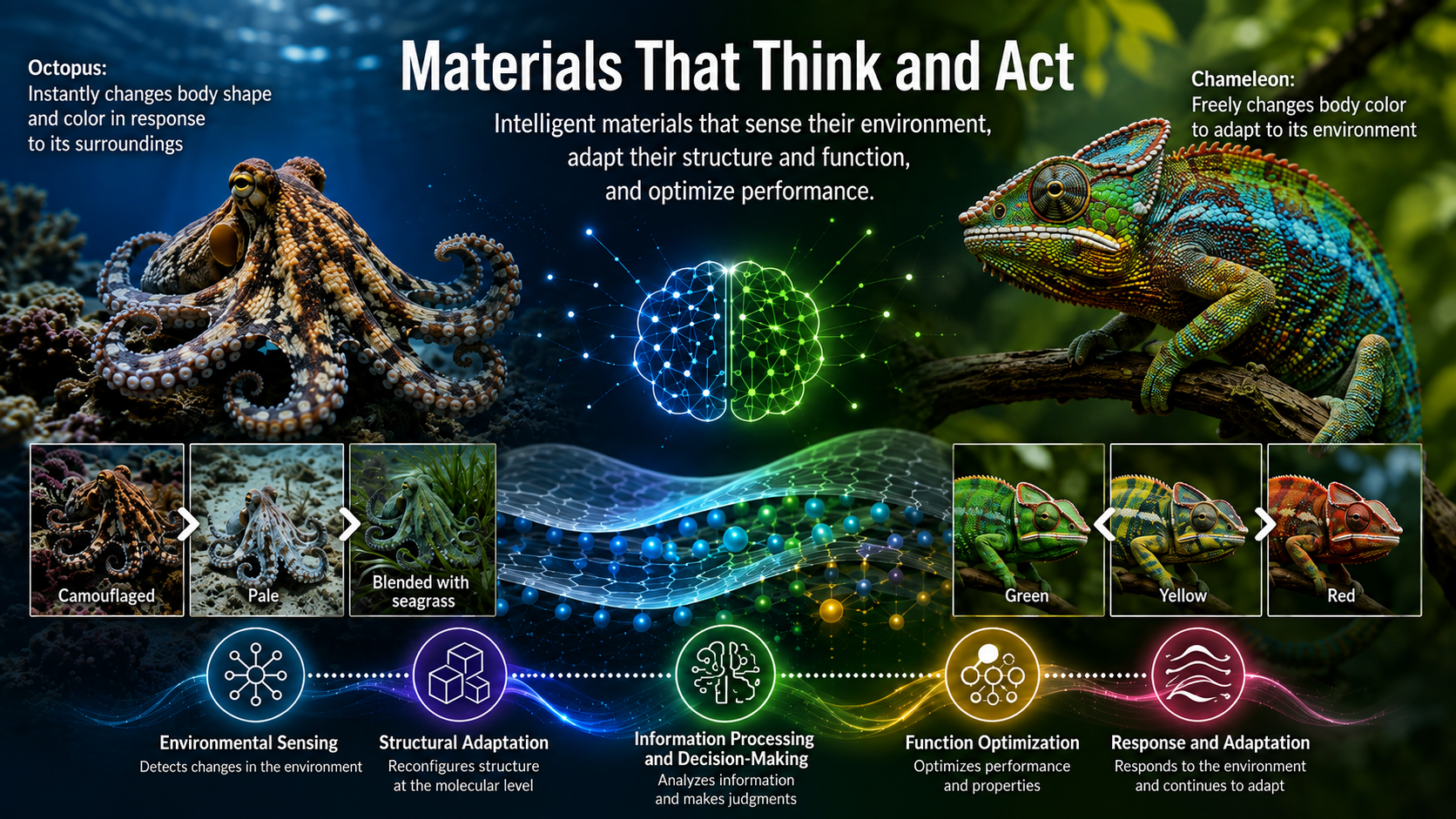
Nature offers remarkable examples of a different kind of material intelligence. An octopus can instantly change the shape and color of its body according to its surroundings, while a chameleon can freely alter its body color. Living organisms sense external stimuli, process information, and adapt to their environment by continuously transforming their own bodies.
We believe that realizing materials that can think and act on their own will be a key to creating the next generation of robots and devices. We call this new concept “Chemical AI.”
Chemical AI is an approach to creating a new class of functional materials that can sense information, make decisions, and move autonomously through the integration of organic chemistry with electrical and mechanical engineering. Our goal is not simply to develop “materials that serve as components of robots,” but to create materials that sense their environment, think for themselves, and function by changing their shape and properties—just like living organisms.
Through these materials that think and act, we aim to transcend the conventional boundaries of materials science and pioneer a new approach to manufacturing inspired by life. Ultimately, we seek to contribute to the realization of next-generation robots and devices, and a richer, more sustainable society.