Our group predicts the properties of solids by computer simulation, from electronic structure to lattice dynamics. Centered on scientific software development, we aim to explore materials that benefit our daily lives. To this end, we develop open-source scientific software with broad applicability and apply it to our own materials research. High-throughput calculation plays a key role here, allowing us to generate materials data.
Members
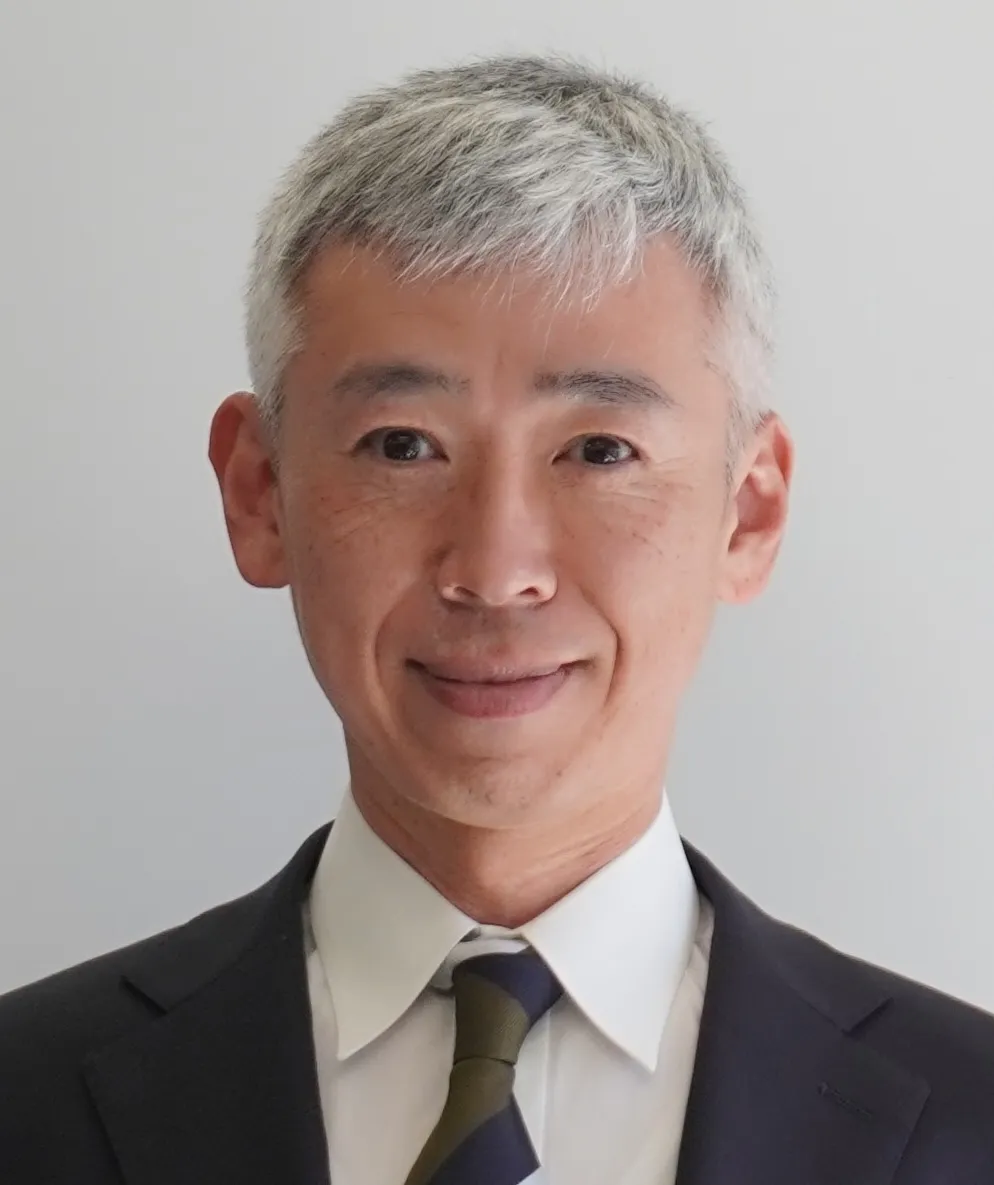
Atsushi Togo
Group leader
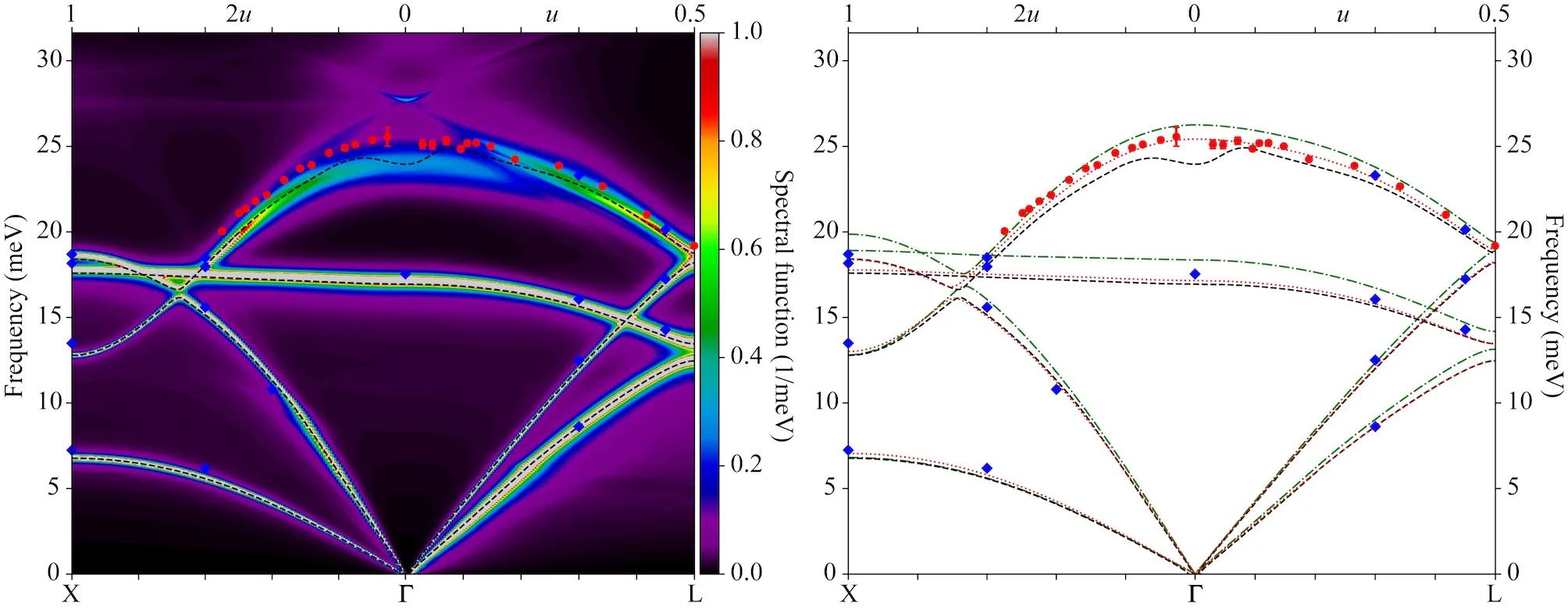
My field is first-principles calculation of phonon-related properties. I am interested in harmonic and quasi-harmonic phonons, and in anharmonicity. In addition to these, the interaction between electrons and phonons is a recent research target. I am also involved in the collaborative development of scientific software for predicting the following properties:
- Thermal properties of materials such as heat capacity, free energy, and entropy
- Thermal expansion and thermal conductivity
- Dynamical stability of crystals
- Thermoelectric properties
Kosuke Nakano
Independent Researcher
My field is ab initio quantum Monte Carlo (QMC), spanning method and software development through to applications in materials science. QMC captures electron correlation with high accuracy by stochastically sampling many-body wave functions, enabling reliable predictions even for systems that are difficult to describe with density functional theory.
I lead the development of the QMC codes jQMC and TurboRVB, and of SHRY, a symmetry-based tool for generating atomic-substitution models of disordered crystals. I also contribute to the quantum chemistry package PySCF and to the TREXIO file format and library.
- Methodology for ab initio QMC (atomic forces, accuracy of the fixed-node approximation, etc.)
- High-throughput QMC frameworks and their application to materials discovery
- Applications to high-pressure hydrogen and superconductors